


Recycling of cables of any size
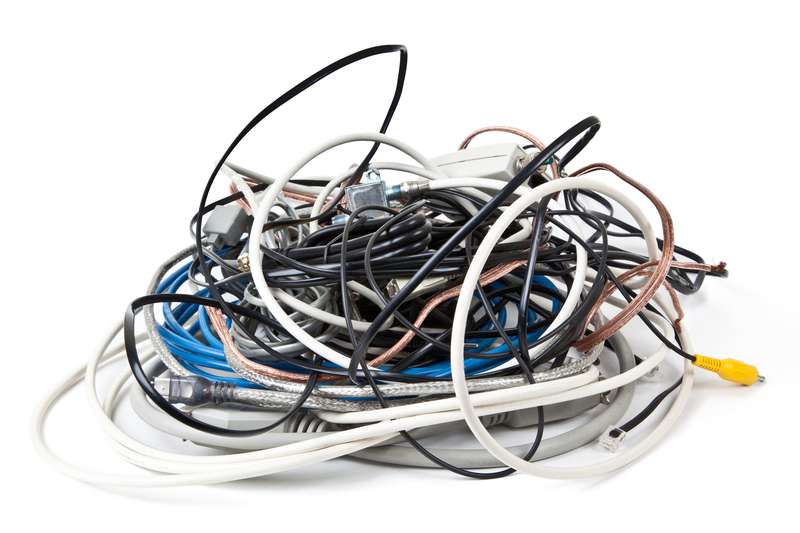
Cables widely used in electrical and communication systems eventually become outdated, break down, or are no longer needed. Uncontrolled disposal of such cables can pose serious environmental risks. Our company carries out the recycling of old, unusable, or excess cables of any size and type using specialized equipment. Our goal is to ensure that waste is processed in accordance with environmental standards and to facilitate the reuse of valuable materials.
Importance of Cable Recycling
Environmental protection – Old and unusable cables contain plastic, copper, aluminum, and other materials. If not properly recycled, these substances can contaminate soil and water.
Recycling of valuable resources – Cables contain recyclable materials such as copper and aluminum. Recycling them helps preserve natural resources.
Waste volume reduction – Directing old cables to recycling reduces the amount of waste collected in landfills and improves waste management efficiency.
Types of Cables We Recycle
Electrical cables – Copper- and aluminum-based cables used in industrial and household electrical systems.
Communication and internet cables – Network, fiber-optic, telephone, and other communication cables.
Household and automotive cables – Wires of various sizes used in electronic devices and vehicle electrical systems.
Cables used in industry and construction – High-voltage and heavy-duty wires suited for industrial environments.
How Does the Cable Recycling Process Work?
Collection and intake of cable waste – Customers can bring individual or bulk cable waste. We also offer transportation services for large volumes.
Sorting and processing – Cables are classified based on content and usage. Specialized equipment separates plastic, copper, and other materials.
Environmentally compliant recycling – Reusable materials are sent for further recycling, while the rest is safely disposed of.
Compliance with safety standards – The process is carried out according to international environmental and safety regulations.